How Solar Auxiliary Transformers Ensure Continuous Power for Plant Operations
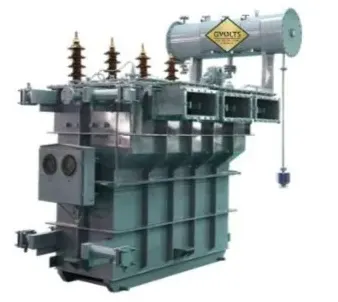
A constant power supply is the mainstay of smooth and efficient operations in modern solar power plants. Even at night, the major systems like monitoring, control units, lighting, and cooling must be powered up. Solar Auxiliary Transformers (SATs) step in at this point by providing non-stop auxiliary power for the plant's crucial functions. They make sure that the same amount of energy is flowing and, hence, prevent downtime, protect sensitive equipment, and increase overall reliability. The use of advanced auxiliary transformers has become the norm for solar plants of large size and complexity to obtain maximum execution and operability during both day and night.
What do you mean by Solar Auxiliary Transformer?
In solar energy installations, a Solar Auxiliary Transformer (SAT) is a steadfast transformer that ensures the auxiliary power necessary for the most vital operations is continuously supplied. It transfers power to control panels, inverters, cooling fans, and lighting. For example, when the main solar output is down or unstable. Its location between the grid and the plant's internal systems guarantees that the solar plant operates without interruption, even during times of low power generation.
Main functions:
- Delivers stable auxiliary power for plant operations
- Keeps the voltage level the same during changing solar output
- Provides support for critical loads during grid or inverter downtime
- Compatible with a grid-connected system and a solar inverter
Plants maintain their operational stability, reduce power interruptions, and extend equipment life by integrating a solar power-on transformer.
Why Auxiliary Power Is Critical in Solar Plants
In solar parks, the supply of dependable auxiliary power is of utmost importance to guarantee uninterruptible operation. If there is no auxiliary power, there is a chance that the vital systems may break down, resulting in downtime and loss of data. A Solar Auxiliary Transformer supplies power to all ancillary equipment for safe and effective operation.
Important functions:
- Continuous operation: Provides power to control systems, SCADA units, and inverters all day and night.
- System protection: Turns on cooling fans, switchgear, and support lighting to stop overheating and electronic equipment failure.
- Data and monitoring: Supplies power to communication, monitoring, and automation tools for immediate performance tracking.
- Nighttime reliability: Supplies backup power at night or when there is no sun because of clouds.
- Operational safety: Guarantees the safe execution of the successive and reverse processes of the solar plant.
Basically, the Solar Auxiliary Transformer is the essential support of the non-stop functioning of the plant — it keeps the power steady, shields the apparatus, and enhances the entire solar energy system's efficiency.
Working Principle of a Solar Auxiliary Transformer
The Solar Auxiliary Transformer (SAT) performs a vital role in a solar plant by providing stable auxiliary power to the most important systems. The transformer not only steps down the voltage but also provides a level necessary for internal equipment. Thus making sure that the operation is uninterrupted even during the night hours or when the generation is low.
How it works:
- Power is received from the grid or the main transformer.
- Voltage is reduced for auxiliary loads, which include control systems and cooling units.
- Power is provided continuously even during fluctuations in the grid or at night.
- Current flow is stabilized to ensure equipment safety and efficiency.
Key Features and Design Specifications
A Solar Auxiliary Transformer is designed to operate under the extreme conditions of solar power plants, providing long life, high efficiency, and excellent performance. It is made to provide steady voltage and regulation with low losses. Thus, supplying power to auxiliary loads without interruption increases the plant’s reliability and efficiency.
The main characteristics include:
- Maximum efficiency with minimum energy losses.
- Small size and tough, weatherproof design suitable for outdoor use.
- Best insulation and heat performance.
- Voltage control ais pt for both solar and grid connections.
- Meets performance and safety requirements as per IS/IEC standards.
Benefits of Using a Solar Auxiliary Transformer
The application of a solar auxiliary transformer in the solar power plant guarantees constant operations, maximum efficiency, and high reliability. It distributes voltage and power to essential systems, thus ensuring the plant's performance during changing solar conditions.
Main advantages:
- Constantly provides auxiliary power to the most important plant operations.
- Increases the reliability of the whole system and decreases the amount of time it is not operational.
- Voltage stability as well as operational effectiveness are improved.
- Sensitive equipment is guarded against power swings.
- The lifespan of electrical components is prolonged.
- During low sunlight, the plant will still be operating smoothly, and when there is no grid supply.
- Reduction of maintenance costs plus energy wastage.
- Automation and monitoring of the plant are done without interruptions.
Solar Auxiliary Transformer vs. Conventional Transformer
A Solar Auxiliary Transformer is made for solar power applications, while a conventional transformer can be used for any electrical distribution. The SAT caters to the changing loads very well and at the same time makes sure that the plants get a constant auxiliary supply. It is used in variable conditions very reliably, in contrast to conventional transformers that would sometimes deliver voltage inconsistently.
The Solar Auxiliary Transformer is also insulated greatly, being compact and cooling designed for solar areas. It keeps its output constant even when the grid fluctuates and its losses are reduced, thus performing, keeping safe, a nd providing reliability at solar plants.
Applications Across Different Solar Setups
A Solar Auxiliary Transformer is a critical part that guarantees continuous auxiliary power for all important systems in a solar installation and is used in almost all solar systems. Its versatility and dependability allow it to be used in practically all solar applications.
Major uses:
Utility-scale solar power plants: Power the systems of monitoring, control, and protection.
Rooftop solar plants: Provide the necessary power to inverters, lighting, and automation units.
Hybrid solar-plus-storage systems: Always there with power, no matter if it's a charging or discharging cycle.
Industrial solar plants: Constantly supply machinery and plant operations with stable voltage.
Remote solar installation: Gives reliable power out of the reach of the grid.
How to pick the correct Solar Auxiliary Transformer
Choosing the proper Solar Auxiliary Transformer is a pivotal factor in the long-term veracity, safety, and efficiency of solar power work. The transformer should be able to support the plant's specific energy needs and the green conditions.
The factors that influence selection are as follows:
Load capacity: A transformer should be selected that is capable of supplying the total auxiliary load requirements.
Voltage rating: Concord with the grid and inverter voltage levels must be ensured.
Efficiency and losses: High-efficiency units with negligible no-load losses should be chosen.
Insulation class: The insulation for local temperature and humidity conditions should be selected.
Compliance: The adherence to IS/IEC standards with regard to performance and safety should be verified.
Maintenance and durability: The designs with easy maintenance and long life expectancy should be considered.
Support and lifetime Tips
The Solar Auxiliary Transformer undergoes regular inspections that guarantee the quick finding of defects and uninterrupted functioning.
Maintain oil levels and temperature in order to not only keep efficiency but also to prolong the life of the transformer.
Bushing, cooling fins, and terminal cleaning should be done frequently as a measure to ensure safe and reliable power distribution.
Regular insulation and winding resistance testing done on a periodic basis will help in avoiding breakdowns and controlling the voltage variations.
Routine preventive maintenance is to be performed for a constant power supply and transformer longevity.
Conclusion
A Solar Auxiliary Transformer is the heart of solar power plants, delivering a constant, stable, and efficient power supply. It protects important operations, cuts the time of non-operation, and improves the reliability of the plant. Modern design and durable performance of these transformers make sure that energy flows without interruption, thus helping to build sustainable, high-performance solar infrastructure that is eco-friendly and excellent in operation, for long-term success and operational excellence.
FAQs
What is the role of a solar auxiliary transformer in a solar plant?
The solar auxiliary transformer delivers nonstop auxiliary power for critical systems and thus guarantees proper functioning of the solar plant and safety of the equipment.
Is it able to work during a power failure?
Yes, it will draw auxiliary power from the alternative sources, thereby keeping the critical operations running even during the grid outages.
In what respect is it different from inverter transformers?
While a Solar Auxiliary Transformer caters to the needs of the plant, inverter transformers perform the function of stepping up the voltage for the supply to the grid.
What capacity ranges can be sourced from Ferromag India?
The capacities cover a small range of auxiliary units up to the high-capacity transformers that are meant for the large solar power plants.
Latest News
Electricity is arguably the most valuable resource we have in our mode...
Executing order for supply of multiple 10 to 100 KVA Lighting Transformers to Coal Mines in Odisha.
Supply of IP55 Solar Auxiliary Transformers to leading Solar EPC company in Gujarat.
Inauguration of new & upgraded facility.
Clientele





Inquire Now
If You have any question, just fill the contact form and we will answer you shortly.
